Before travel, plan where the cat carrier will sit and how you will reach it at the destination. The 2025 FelineVMA position statement recommends securing the carrier on the floor behind the driver or passenger seat. It says seat belts should only be used with crash-test-certified carriers.
Quick take
Check the floor space before the trip
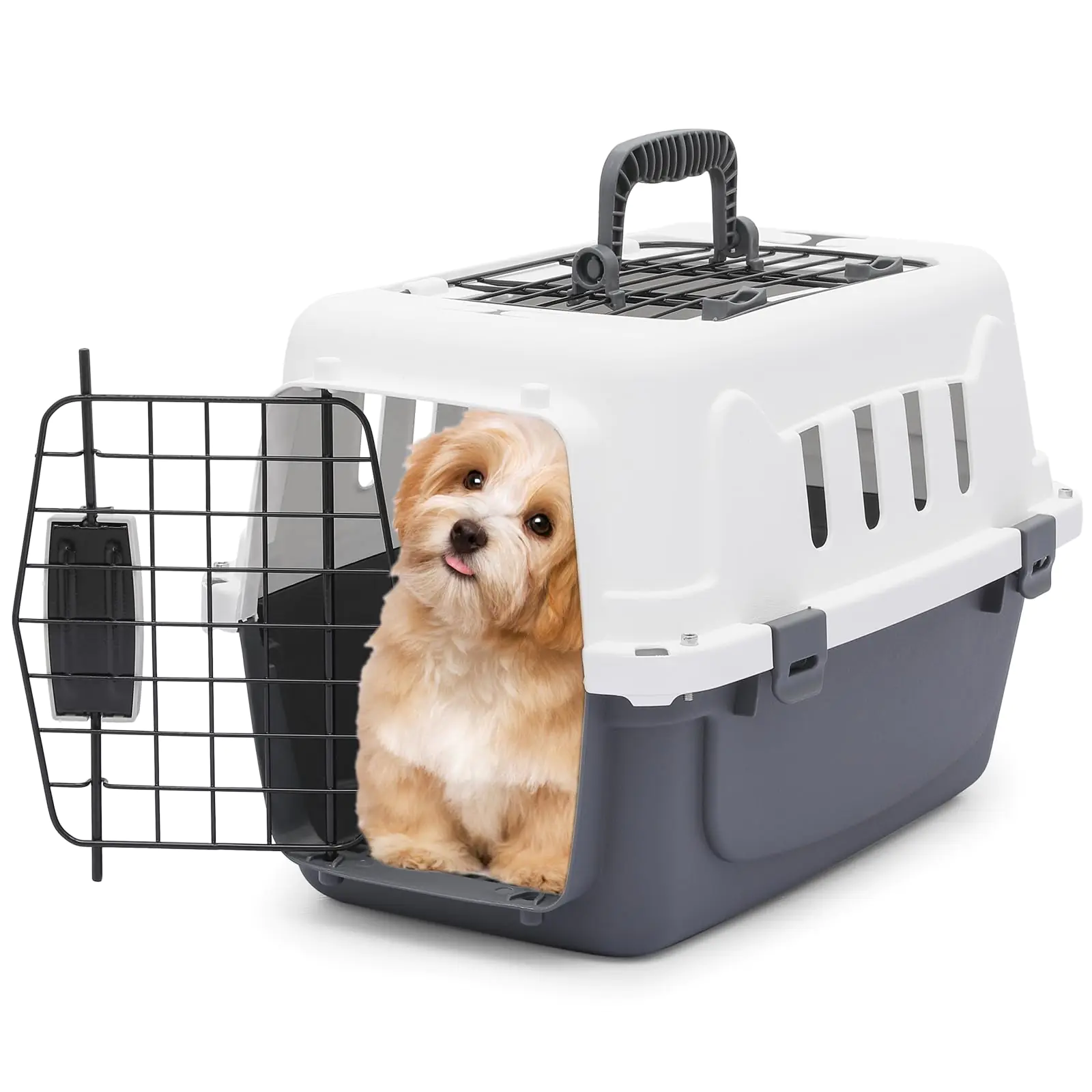
Move the front seat to its normal driving position, then check the floor area behind it. The carrier should sit level without being squeezed under a seat rail or blocking the driver's pedals. Keep it away from items that could slide into it. Avoid placing it where a door can swing into it or where a passenger will crush it when moving.
FelineVMA specifically advises placing the carrier on the floor behind the driver or passenger seat. If you plan to use a seat belt, confirm that the exact carrier is crash-test certified; the Sleepypod Mobile Pet Bed (paid link to Amazon) is one optional model to compare—the Amazon listing states Center for Pet Safety certification for pets weighing 15 pounds and under. The statement warns a belt may crush a carrier that is not certified. Do not assume a handle or strap opening is a certified belt path.
Prepare for a calm loading and arrival
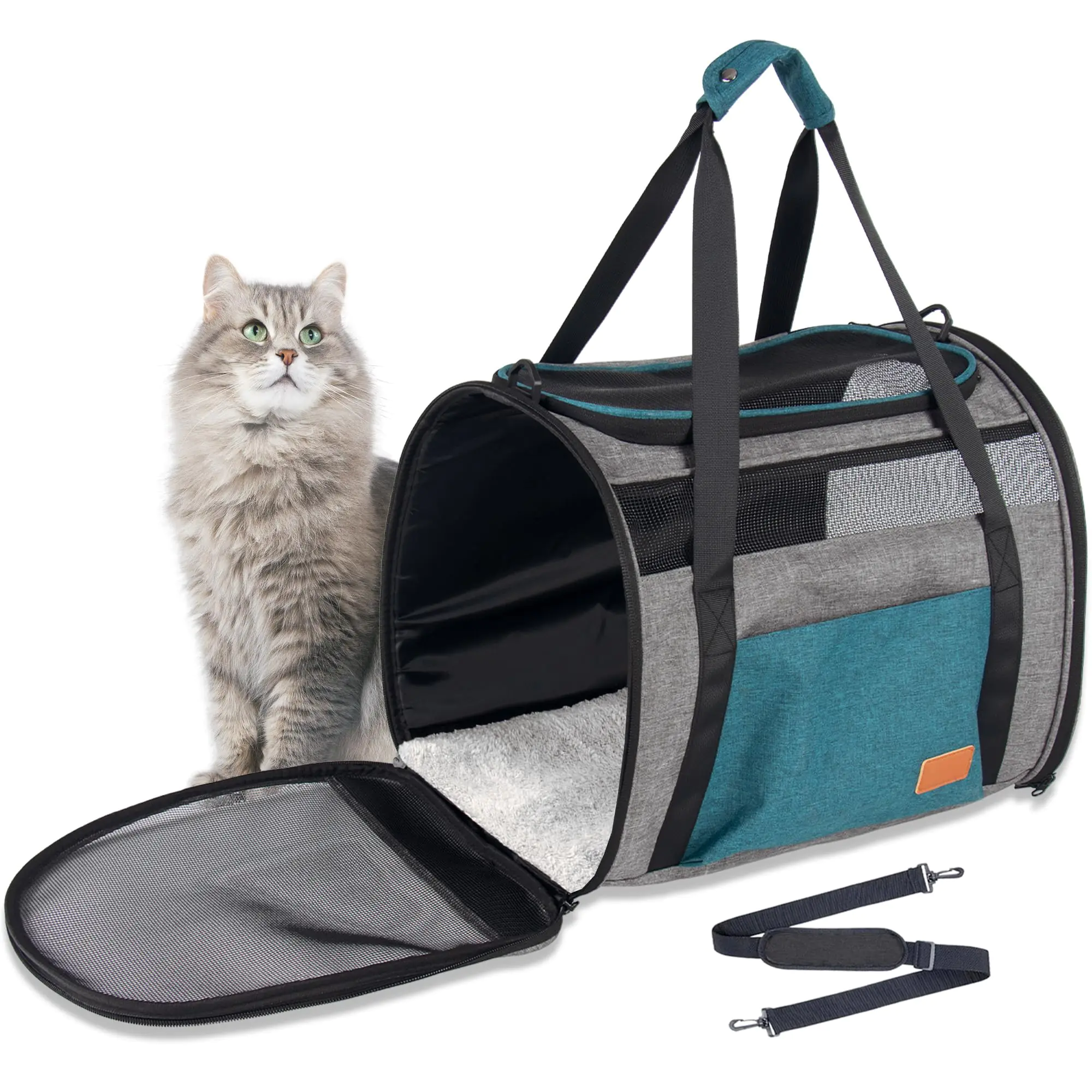
Load the cat in a quiet, secure area and verify the door latch before carrying the carrier to the car. Keep a familiar liner inside without blocking ventilation. At arrival, choose a closed room before opening the carrier so the cat cannot bolt into an unfamiliar space. Keep identification information current and carry contact details.
- Practice with the carrier before the appointment or road trip.
- Never leave the cat alone in a parked car.
- Ask your veterinarian for a travel plan if your cat is highly distressed.
See the cat carrier setup guide, carrier fit instructions, and door practice.
Practical decision check
Before leaving home: Clear the selected floor area of loose objects, confirm the carrier sits level and is not pressed against a seat rail, and check that the front seat can move without crushing it. Place a familiar towel over part of the carrier only if it leaves ventilation open. Keep the vehicle cool and the route direct; never leave a cat in a parked car while you run an errand.
At a stop, keep the carrier closed and open the car door only when you have a secure plan to prevent escape. Do not remove the cat from the carrier beside traffic. If the carrier cannot fit in the recommended floor location, ask the manufacturer or veterinarian for options for that specific vehicle and model. Do not improvise seat-belt attachment for an uncertified carrier.
Before choosing or traveling
Make a quick “departure rehearsal” while parked: place the empty carrier in the planned floor location, move the front seat through its normal adjustment, open and close the doors, and confirm the carrier stays level. Remove loose items that could shift. If the carrier does not fit in that space, do not force it between seats; ask the maker or veterinary team for a safe option for that exact vehicle.
Keep reading: cat carrier setup guide · carrier familiarization
Helpful source: FelineVMA 2025 transportation position statement
Product-category images are illustrative examples only; they do not represent a Raspaw product test, safety certification, or recommendation.
Optional carrier to compare
The Amazon listing describes the Sleepypod Mobile Pet Bed as a crash-tested carrier/car seat and says Center for Pet Safety certification applies to pets weighing 15 pounds and under. Check the current certification details, your cat's measurements and weight, and the maker's vehicle-attachment instructions before choosing it. A product listing is not a guarantee of crash protection, and Raspaw has not independently tested this item.
Affiliate disclosure: Links marked “paid link to Amazon” are Amazon affiliate links. As an Amazon Associate I earn from qualifying purchases.