A simple cloth system can make pet cleanup faster and reduce the chance that a cloth used on one mess gets reused elsewhere. The goal is easy identification, prompt laundering, and following the care label—not mixing cleaning chemicals or trying to disinfect every surface with a homemade recipe.
A simple cloth system can make pet cleanup faster and reduce the chance that a cloth used on one mess gets reused elsewhere. The goal is easy identification, prompt laundering, and following the care label—not mixing cleaning chemicals or trying to disinfect every surface with a homemade recipe.
Set up a simple color-coded system
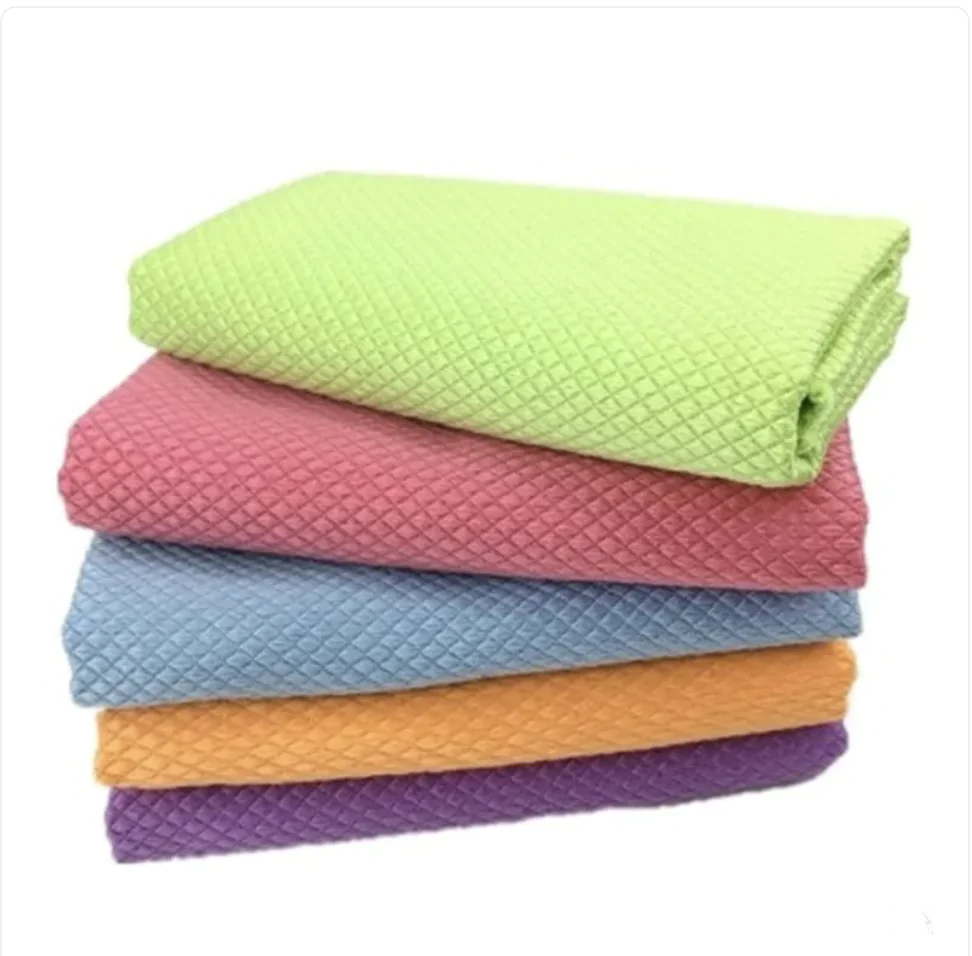
Choose a small number of distinct colors and assign each a single job: paws and coat, food-area spills, and general floor cleanup, for example. Keep bathroom or litter-area cloths separate from kitchen and food-preparation textiles. If color coding is hard to see, use labeled bins or separate hooks instead. A basic pet cleaning cloth organization setup should be obvious to every household member.
Keep used cloths away from clean supplies

Place a washable hamper or a lidded laundry hamper with a removable inner bag (paid link to Amazon) near the cleanup area, but out of pets’ reach. Do not leave damp cloths balled up, where odor and residue can build. Wash according to the fabric and detergent labels, and keep clean cloths in a dry, closed basket. A dedicated microfiber cloths or washable pet towels category can be useful if you want different sizes for paws and floors.
Use cleaning products according to their labels

Blot up messes first, then clean the surface using a product labeled for that surface and situation. Never mix cleaners, and do not assume a product is safe for pets because it is marketed as natural. Keep animals away during use and until the label’s re-entry instructions are met; store all cleaners securely. For recurring or unusual messes, identify the cause rather than repeatedly covering the odor.
A quick household checklist

Before washing, separate cloths by their assigned use, follow the wash and dry instructions, and check that no cleaner remains on the fabric. Replace cloths that stay stained, fray, or no longer wash clean. For a broader room-by-room routine, see our dog-home cleaning guide; cat households may also use the cat-home cleaning guide.
For the full room-by-room framework, see Living Indoors with Dogs and How to Create a Quiet Resting Area for Your Dog.
Useful search phrases for later product research: microfiber cleaning cloths; washable pet cleaning towels. For separating used cloths, compare the size, lid fit, and care directions for a lidded hamper with a removable liner. Allow damp cloths to dry before placing them inside. A lid alone is not a pet-proof barrier, so keep the hamper in a secure out-of-reach area.
Optional lidded hamper example for used cloths
The selected beige iEGrow listing is a 65 L slim hamper with a lid and removable inner bag. It may help keep used cleaning cloths apart from clean supplies after damp cloths have dried. Check the listed 66 × 38 × 26 cm dimensions, assembly directions, and current inner-bag care instructions. Check that the assembled frame stands securely before use. A lid alone does not keep a curious pet out; place the hamper where your pet cannot reach it. Raspaw has not independently tested this item.
As an Amazon Associate I earn from qualifying purchases.