Raspaw Pet Guide · Cat Care
Quick answer: A cat home cleaning routine is easier when the litter box is scooped consistently and the surrounding floor is checked daily. This guide helps you put cat home cleaning routine into a practical routine.
Build the routine around the litter box
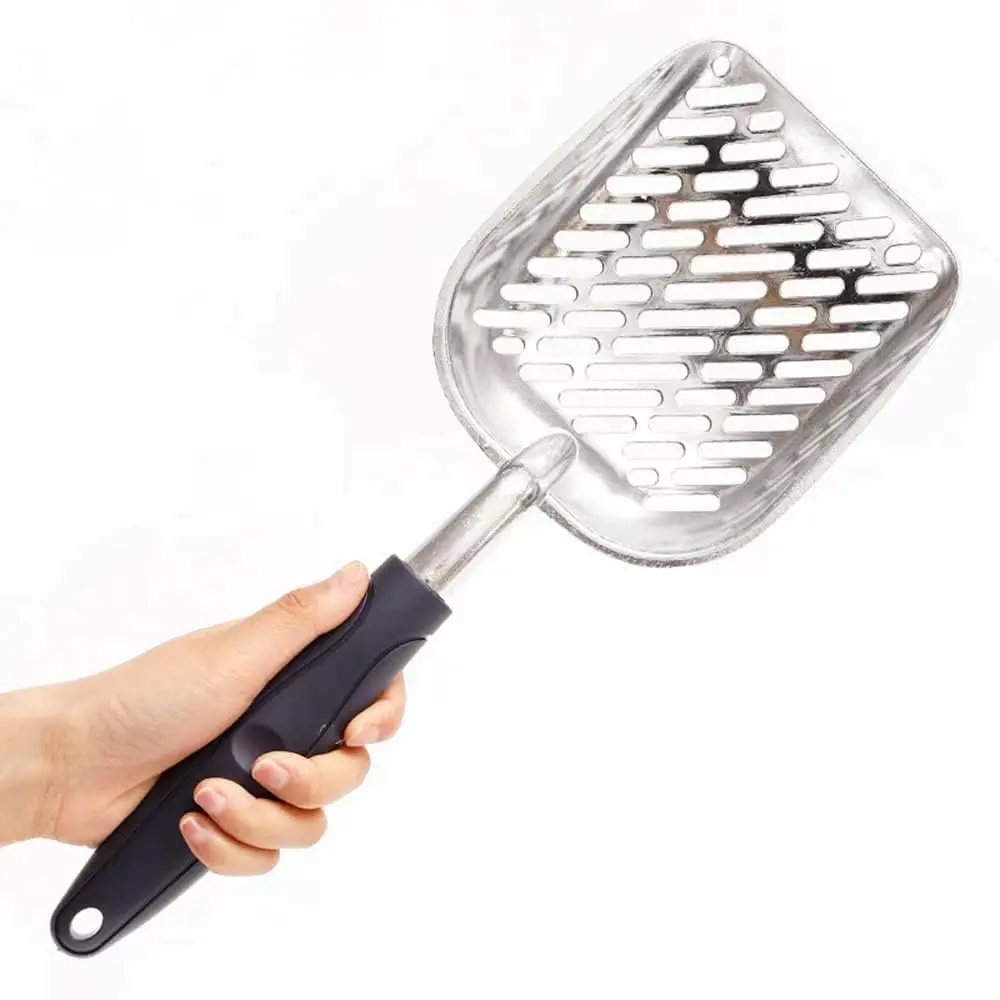
A cat home cleaning routine is easier when the litter box is scooped consistently and the surrounding floor is checked daily. Keep a dedicated scoop and waste container close enough to use, but place food and water away from the litter area. Wash bedding and bowls according to their materials and keep the cat's favorite resting surfaces dry and free of loose litter.
- Scoop daily and remove tracked litter; wash the box using a gentle method and dry it fully before refilling.
- Keep the scoop and waste supplies in a contained, washable station away from food dishes.
- Wash beds, towels, and fountain parts only according to their labels or manuals.
- If urine or feces appears outside the box, note the pattern and clean the area promptly.
Manage fur, bedding, bowls, and everyday spills

For a small apartment, use a hand broom or a mat your cat accepts beside the box, then do a short evening reset: scoop, sweep visible litter, wipe a fresh spill with a suitable cloth, and check that the water station is clean. If you are comparing mats, this 24 × 17-inch coiled-mesh cat litter mat (paid link to Amazon) is one listing to review; measure your floor space, check the current care instructions, and skip it if your cat avoids its texture. Fragrance can cover an odor without fixing the source, so look for a soiled box, dirty scoop, or a change in litter habits first.
Keep a simple observation note when something changes: date, box used, whether clumps look different, and any change in drinking or appetite. A clean-up routine should not delay a veterinary call for urinary signs.
Choose unscented cleaning and litter arrangements the cat accepts. Strong fragrance may make the area less appealing, and a cover or enclosure may trap odors from the cat's perspective.
Wash hands after handling litter and keep household products stored in their original containers. Follow each cleaner's label, especially directions about ventilation and when a pet can return.
Keep the litter area predictable. Scoop daily, remove tracked litter, and wash the box using a method appropriate for its material. Dry it fully before refilling. Keep a dedicated scoop, brush, and waste bin near the box but away from food and water. If possible, keep a second clean box available while one is being washed so the cat always has an accessible option.
Use a short daily and weekly reset. Each day, scoop, sweep the mat, check for spills, and refresh water according to the fountain's instructions. Once a week or as needed, wash bedding, inspect the scoop holder, clean bowls, and check the fountain pump and filter manual. Avoid changing the litter, box location, and cleaning scent all at once; one change at a time makes the cat's response easier to understand.
Clean the source instead of masking the smell. Check beneath the box, around the rim, on the scoop, and in the waste container. Clean fresh fabric accidents promptly using products compatible with the fabric and label directions. Cornell notes that house-soiling can have medical, litter, box, or location causes; avoid ammonia or vinegar on cat-soiled areas because they can smell like urine and irritate.
Watch for behavior changes. Note a new accident pattern, frequent trips, unusually large or small clumps, blood, crying, or straining. Do not respond by adding fragrance or restricting water. Contact a veterinarian for repeated changes; straining or producing little or no urine requires urgent attention. Keep cleaners in original containers, follow their labels, and let surfaces dry or ventilate as directed before the cat returns.
Optional litter-area mat example
The Amazon listing identifies this as a 24 × 17-inch coiled-mesh cat litter mat. Measure the space and confirm the current listing details and care instructions before deciding. Surface preferences vary; keep the route to the box clear and stop using it if your cat avoids the texture. Raspaw has not independently tested it.
As an Amazon Associate I earn from qualifying purchases.