A quiet resting area gives a dog a predictable option to relax without blocking family movement. It should feel available, not like a place where the dog is trapped or routinely disturbed.
A quiet resting area gives a dog a predictable option to relax without blocking family movement. It should feel available, not like a place where the dog is trapped or routinely disturbed.
Choose a low-traffic location
Look for a spot away from the front door, loud appliances, and constant foot traffic, while keeping the dog connected to household life. Avoid heat sources and places where a bed could obstruct an exit. Let the dog investigate before arranging the space.
Match the bed to the dog and floor

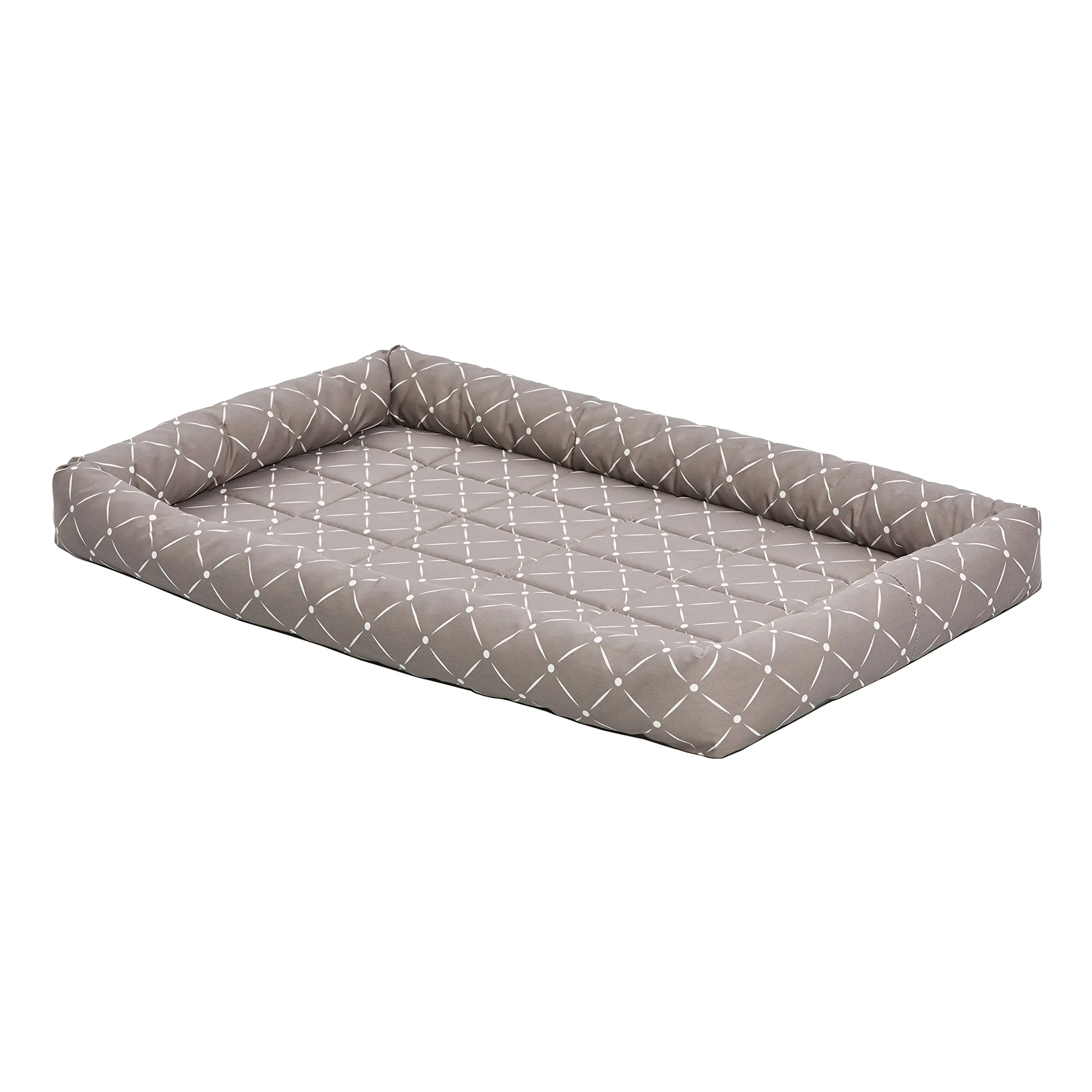
A bed should allow the dog to stretch or curl naturally and should not slide across the floor. Consider a washable cover if laundry is a priority. Read material and cleaning instructions; inspect seams and fasteners regularly. A dog bed (paid link to Amazon) category is only a starting point—fit, stability, and the dog’s preference matter more.
Protect rest time

Teach household members to leave the dog alone when sleeping, eating, or retreating. Do not use the resting spot as a punishment area. A barrier may reduce traffic, but preserve ventilation, water access, and a way out.
Observe, then adjust

If the dog avoids the spot, check noise, temperature, drafts, footing, and whether people approach too closely. If rest changes suddenly or the dog shows pain or persistent distress, consult a veterinarian. See the broader indoor dog home setup and reward-based mat introduction.
For the full room-by-room framework, see Living Indoors with Dogs and How to Rotate Dog Toys Without Adding Clutter.
Useful search phrases for later product research: quiet dog beds; washable dog-bed covers; non-slip resting mats. Compare sizing, materials, cleaning instructions, safety features, and current availability before choosing. The linked bed below is an optional example to compare with your dog's measurements and care needs; Raspaw has not independently tested it.
This guide is general educational information, not veterinary diagnosis or individualized behavior advice. Consult your veterinarian about health concerns.
Optional washable-cover bed to compare
This EHEYCIGA listing is an XL bed measuring 44 × 32 × 6.5 inches. Measure your dog while lying naturally and check the available floor space before choosing a size. The product page says to remove the foam and machine-wash the cover separately in cold water on a delicate cycle; do not machine-wash or dry the foam. Its water-resistant film does not cover the sides. Treat it as a resting surface, not a medical treatment.
View EHEYCIGA XL dog bed, 44 × 32 × 6.5 in on Amazon (paid link)
As an Amazon Associate I earn from qualifying purchases.