After a carrier accident, remove soiled bedding and clean the carrier according to its material and maker's directions. Keep your cat in a safe, calm place while you work and do not use a cleaner that is not intended for the carrier surface.
Move your cat to a safe place, remove soiled bedding, follow the carrier and cleaner labels, and let every permitted surface dry fully.
Separate the liner and inspect the carrier
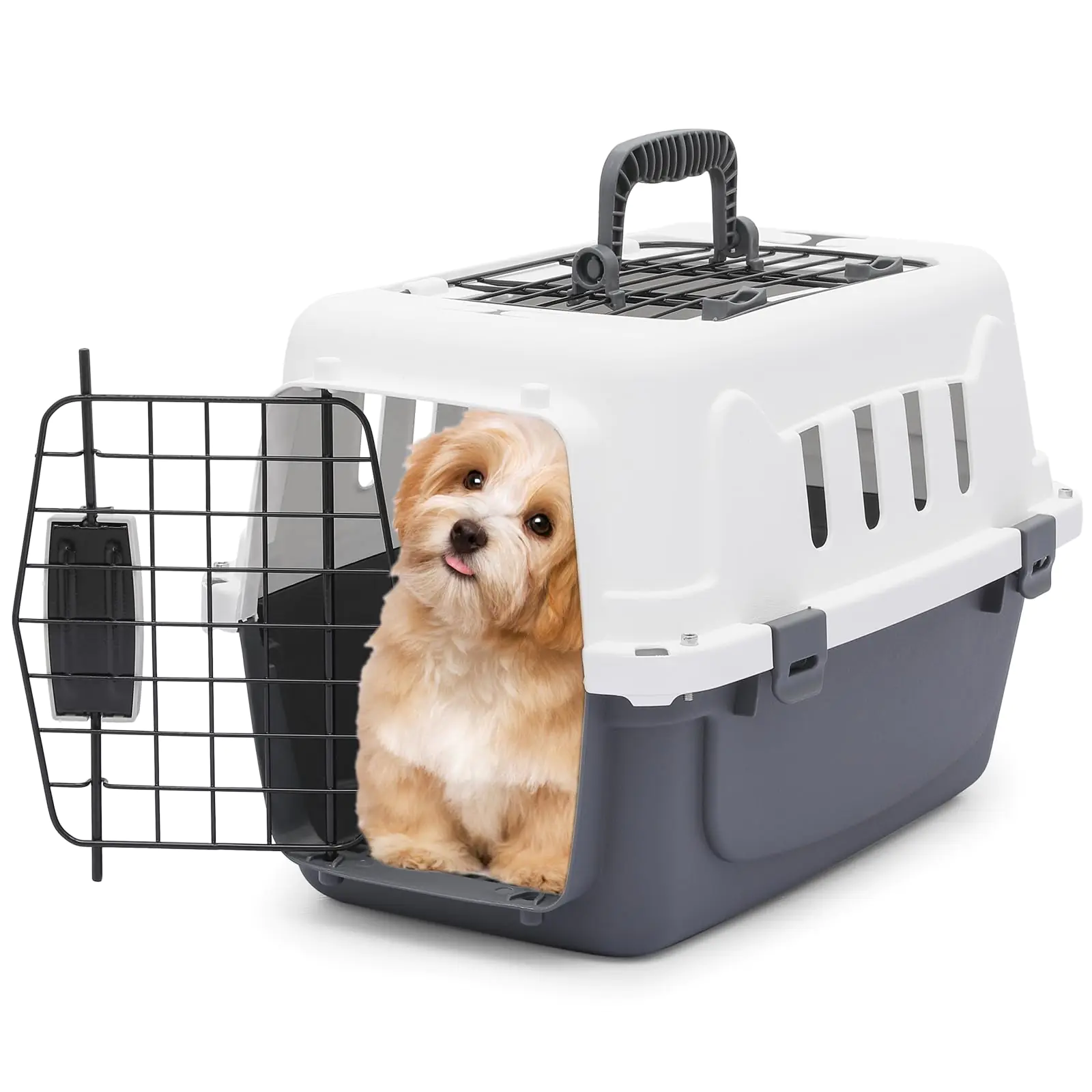
Move the cat to a quiet room or another secure carrier before cleaning. Remove loose bedding and absorbent material. Check the carrier's instructions for removable panels, machine-washable liners, and approved cleaning products. Inspect around seams, ventilation openings, and the door latch where residue may collect.
Use only the cleaner and method suitable for the carrier material. Do not mix cleaning products or spray chemicals near the cat. If the carrier's label is missing, contact the manufacturer instead of guessing. Replace a liner that cannot be cleaned as directed.
Rinse or wipe as allowed, then dry completely
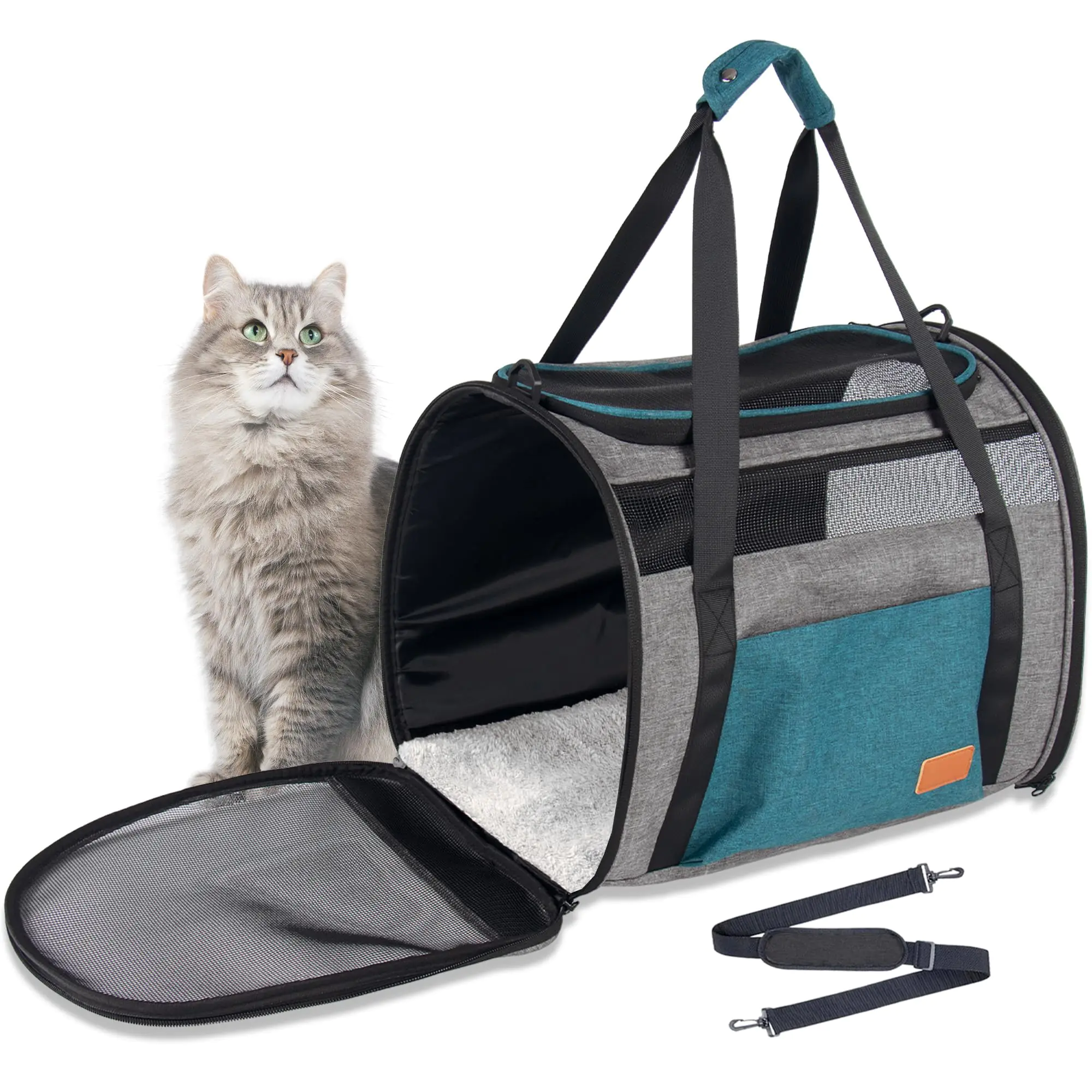
Rinse or wipe treated surfaces only as the cleaner and carrier instructions specify. Remove cleaner residue, then let all parts air-dry before reassembling. Check the latch, seams, and ventilation after drying. Keep a spare clean liner and waste bags for future trips, but avoid padding that reduces the cat's usable space or blocks airflow.
If your carrier uses a compatible removable pad, a replacement cat carrier liner (paid link to Amazon) can provide a clean spare while the other liner is being laundered. The selected Sherpa listing is a two-pack of 19 × 12.25-inch liners intended for Sherpa travel carriers. Compare your exact carrier’s dimensions and keep the liner flat so it does not reduce usable space or cover ventilation.
Optional product example · Paid link
Sherpa replacement travel-carrier liners, selected 19 × 12.25-inch two-pack. The listing describes a machine-washable liner with a waterproof backing. Check that it fits your exact carrier and follow both products’ current care directions; this is a liner example, not a cleaner recommendation or a claim that every carrier is washable. We have not independently tested it.
View current details on Amazon (paid link)As an Amazon Associate I earn from qualifying purchases.
If the accident includes blood, unusual discharge, or signs that the cat is ill, contact your veterinarian for advice on care and cleaning. For car trips, keep the carrier closed and follow the current FelineVMA placement guidance.
- Wash hands after handling soiled bedding.
- Store the dry carrier in a clean, accessible spot.
- Do not use a damaged latch or cracked shell.
Practical decision check
Restore a ready-to-use carrier: Once every part is dry, reinstall the liner and test each latch without the cat inside. Look through every ventilation opening and inspect seams for residue. If you used a cleaning product, confirm its label permits use on the carrier material and follow its rinse or wipe directions. Do not mix products or use a scent to cover a lingering chemical smell.
Keep a clean spare liner and a small waste bag with the travel kit. If the cat has repeated accidents, seems painful, or shows unusual discharge, ask a veterinarian instead of treating the event only as a cleaning problem. The carrier should remain a safe, familiar place; after cleaning, leave it open in a quiet room and allow the cat to return voluntarily.
Before choosing or traveling
If the carrier has removable parts, set them aside in order so you can reassemble them correctly. Do not soak fabric panels or foam unless the maker permits it. A small travel kit with a spare liner, paper towels, and waste bags can reduce the pressure to improvise a cleaner during a trip. Store liquids sealed away from the cat and food.
Keep reading: cat carrier setup guide · washable liner selection
Helpful source: FelineVMA 2025 transportation position statement
Product-category images are illustrative examples only; they do not represent a Raspaw product test, safety certification, or recommendation.