A clean cardboard box can offer a cat a place to investigate or hide, as long as it is stable, dry, and free of hazards. Boxes are optional enrichment; never force a cat inside or leave unsafe handles and packing materials attached.
A clean cardboard box can offer a cat a place to investigate or hide, as long as it is stable, dry, and free of hazards. Boxes are optional enrichment; never force a cat inside or leave unsafe handles and packing materials attached.
Prepare the box
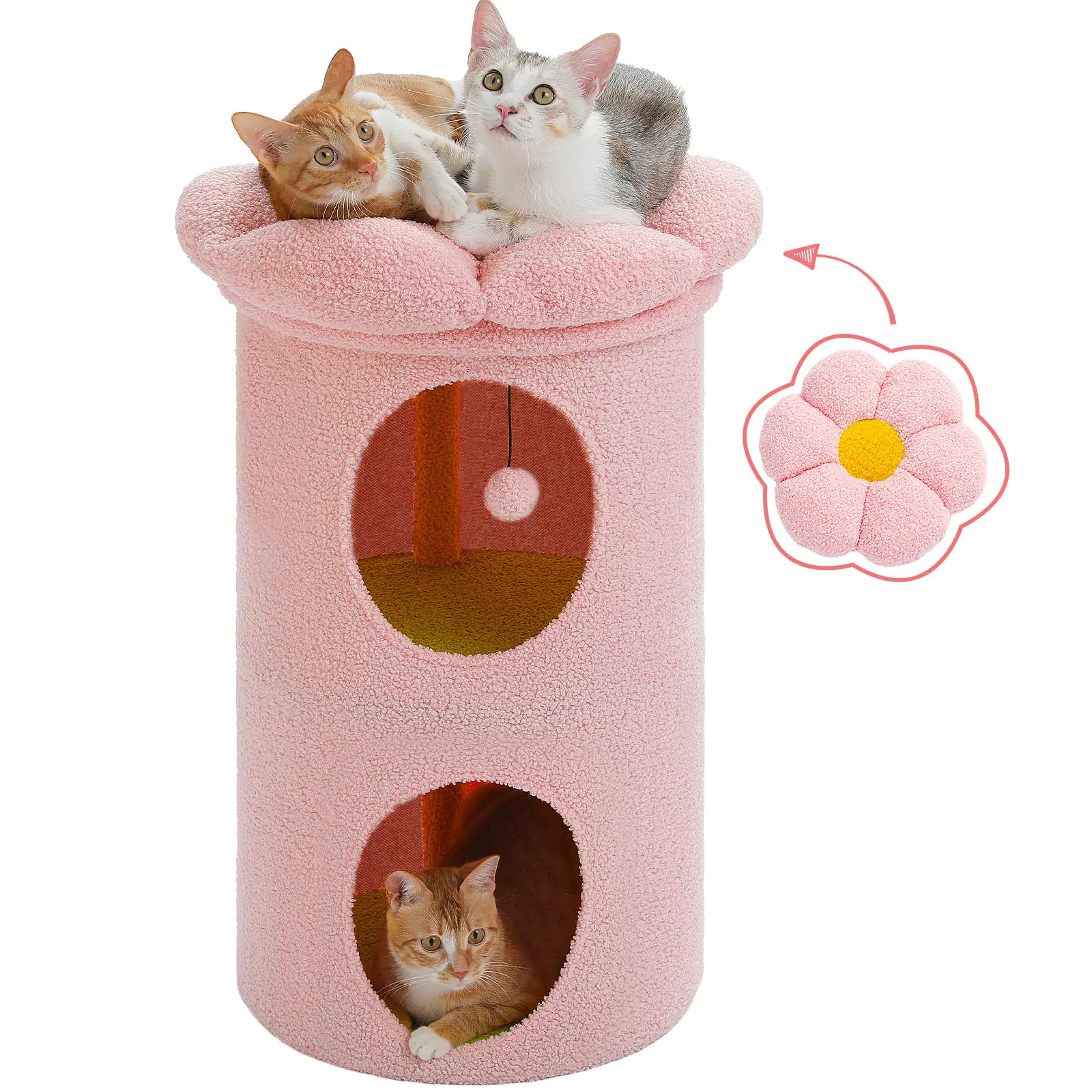
Remove tape, staples, plastic, string handles, and shipping labels that could be chewed. Check for sharp edges, moisture, odors, or residues. Choose a size that lets the cat turn and leave easily, and place it on a stable surface.
Offer a choice, not a trap

Set the box in a quiet area with an open exit. Do not close the flaps around a cat or use a box that can collapse. Let the cat approach voluntarily; the Ohio State Indoor Pet Initiative notes that safe hiding places are a normal resource for cats.
Supervise and replace when worn

Stay nearby during initial exploration. Remove the box if the cat chews and swallows pieces, or if it becomes damp, dirty, or unstable. Avoid adding loose strings, plastic, or small toys that could be ingested.
Pair with other safe spaces

A box is one choice among open beds, elevated perches, and scratchers. For a broader room plan, see An Indoor Cat-Friendly Home and quiet hiding-place setup.
For the full room-by-room framework, see An Indoor Cat-Friendly Home and How to Set Up a Quiet Hiding Place for Your Cat.
Useful search phrases for later product research: cat hideaway boxes; covered cat beds; cardboard scratchers. Compare sizing, materials, cleaning instructions, safety features, and current availability before choosing.
A dedicated scratcher is a separate option from a free cardboard box. One example is the FUKUMARU 26.8-inch L-shaped cardboard cat scratcher, which offers vertical and horizontal scratching surfaces. Check the current size, setup instructions, and condition when it arrives; place it where it stays stable, and remove it if loose cardboard or damage becomes a hazard. Cats may prefer the free box or another surface, and no scratcher guarantees a behavior change.
Affiliate disclosure: As an Amazon Associate I earn from qualifying purchases.
- Ohio State Indoor Pet Initiative: hiding
- Ohio State feline life-stage guidelines
- Ohio State Indoor Pet Initiative: bringing cats indoors
This guide is general educational information, not veterinary diagnosis or individualized behavior advice. Consult your veterinarian about health concerns.