A hiding place gives a cat a choice to step away from activity. A good refuge is stable, accessible, and left undisturbed. Hiding itself is normal; a sudden increase or a change alongside appetite, mobility, or litter habits deserves veterinary attention.
A hiding place gives a cat a choice to step away from activity. A good refuge is stable, accessible, and left undisturbed. Hiding itself is normal; a sudden increase or a change alongside appetite, mobility, or litter habits deserves veterinary attention.
Select a calm, accessible location
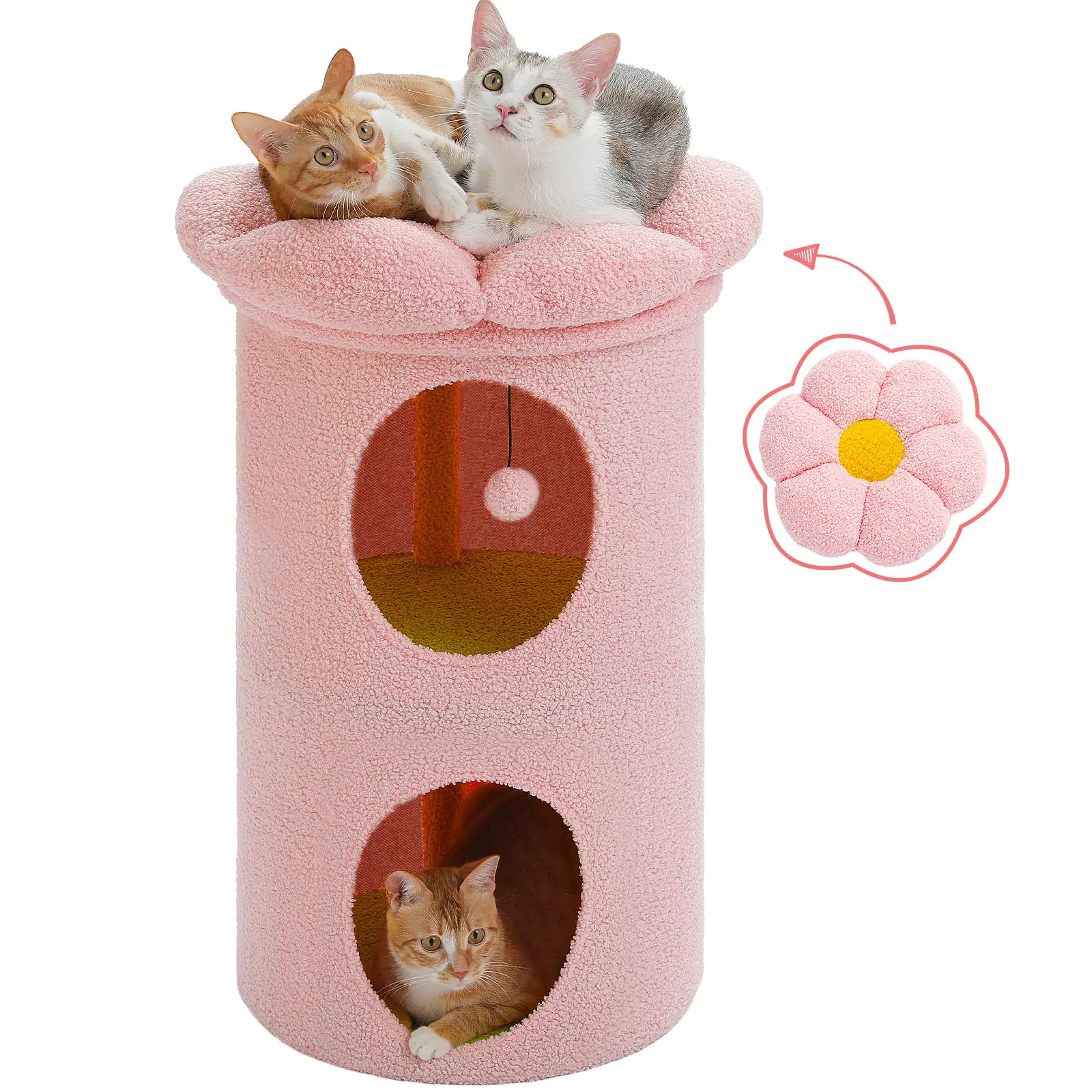
Choose a quiet corner where children, dogs, and visitors will not reach in. Keep the route open and avoid placing the refuge beside loud machinery or a frequently opened door. The Ohio State Indoor Pet Initiative explains that hiding can help cats feel secure; allow voluntary use.
Offer choice and a clear exit

A covered bed, sturdy box, or furniture gap may work if it is clean, stable, and easy to enter and leave. If you need a purpose-made option, compare a covered cat cave (paid link to Amazon) with the cat's usable space and access needs. Avoid spaces where the cat could become trapped or reach wires, cleaning products, or small objects. In a multi-cat household, consider whether one cat can guard the entrance.
Let the cat decide

Place familiar bedding nearby and allow the cat to investigate at its own pace. Do not pull a cat out to socialize or to demonstrate the new bed. Keep food, water, and litter routes clear; they should not all be crowded into the hiding spot.
Watch for changes beyond ordinary retreat

If hiding is new, persistent, or paired with appetite loss, pain signs, breathing changes, or litter-box changes, contact a veterinarian. For a fuller indoor setup, see An Indoor Cat-Friendly Home and separating rest and litter areas.
For the full room-by-room framework, see An Indoor Cat-Friendly Home and How to Choose a Stable Cat Window Perch.
Useful search phrases for later product research: cat hideaway beds; covered cat caves; stable cat trees with enclosed spaces. Compare sizing, materials, cleaning instructions, safety features, and current availability before choosing. The optional product example below is a comparison option, not an independently tested item.
Optional covered resting-place example
A sturdy box or familiar bed may already meet the need. If you need a covered bed, the selected gray Bedsure 2-in-1 cave has listed outer dimensions of 16 × 16 × 16 in and a removable inner cushion. Measure the entrance and usable interior for your cat; outer dimensions are not the sleeping space. The listing specifies cold machine washing for the inner cushion, not the whole structure. Check its actual care label. This version includes a hanging fluffy ball; choose an option without attached toys if your cat chews strings. Keep the entry unblocked, and choose a different arrangement if another cat guards it. Raspaw has not independently tested the bed.
As an Amazon Associate I earn from qualifying purchases.
- Ohio State Indoor Pet Initiative: hiding
- Ohio State feline life-stage guidelines
- Ohio State Indoor Pet Initiative: bringing cats indoors
This guide is general educational information, not veterinary diagnosis or individualized behavior advice. Consult your veterinarian about health concerns.