When comparing a waterproof dog seat cover (paid link to Amazon), inspect the panel, seams, edges, and care label. A product title does not tell you how a cover performs after wear, washing, or liquid reaching an uncovered edge.
Quick take
Read the details behind the moisture claim
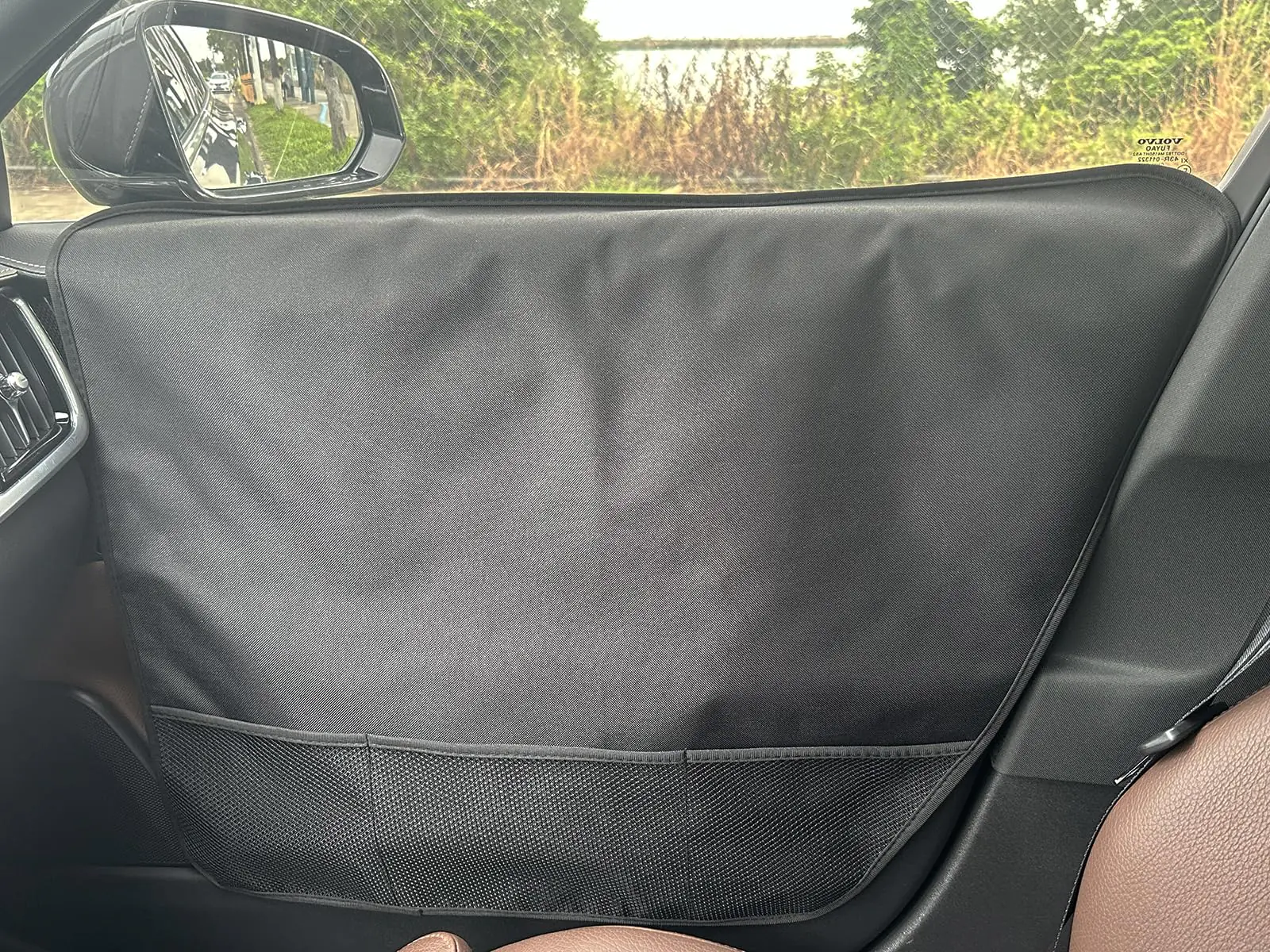
Look for a clear description of the face fabric, backing, seam construction, and any stated limits. Check whether the listing describes resistance to splashes or claims a barrier, and whether it explains what happens at stitched seams. “Water-resistant” and “waterproof” are not interchangeable guarantees for every use.
Compare the cover's dimensions with the seat and identify places where liquid could bypass it: exposed corners, seat-belt openings, side seams, or an uncovered seat back. A cover cannot protect the upholstery where it does not reach.
Use and care determine what to expect
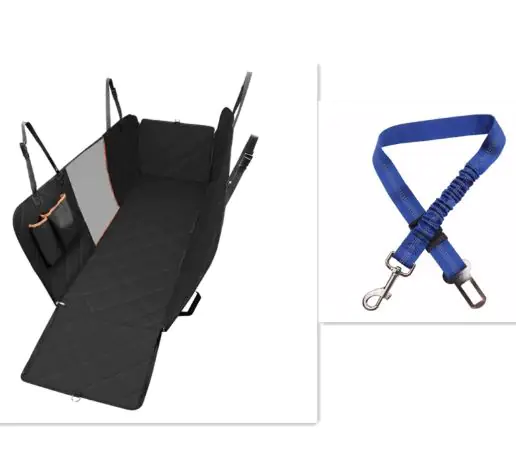
Read the wash temperature, drying method, and whether the backing needs special care. After the first wash, inspect the seams and backing for changes. After a wet trip, remove the layer and check the car seat promptly. Dry both surfaces according to their makers' instructions. If the cover bunches, leaks, peels, or leaves residue, stop using it until you resolve the fit or care issue.
- Keep seat-belt and anchor access clear.
- Do not describe any cover as a restraint.
- Use a suitable dog restraint separately and follow its instructions.
See bench vs. hammock fit and dog car-interior protection guide.
Practical decision check
Compare two listings side by side: Look for stated dimensions, material layers, seam or edge construction, wash temperature, drying instructions, and what the seller says about repeated washing. If one listing uses “waterproof” but gives no construction or care details, treat the claim as unverified. Check whether the cover extends over the seat back and around openings or leaves the upholstery exposed.
Think about your actual use. A cover that is easy to remove after damp paws may suit occasional wet trips better than a bulky layer that stays installed and traps moisture. After a spill, lift the cover and inspect the seat. Check again after washing for peeling backing, loose seams, or odor. Stop using the cover if it deteriorates or interferes with buckle access. These checks help compare product descriptions; they do not establish that an individual item passed a water or durability test.
Before choosing or traveling
Also check what “easy clean” means: a wipeable surface may still need a full wash after muddy trips, and a removable liner may have separate care limits. Save a note of the exact instructions for the model you compare. If a description does not say whether a backing can be machine-washed, do not assume it can. Search phrases such as dog car seat cover wash instructions can help locate listings with clearer details, but search wording is not proof of performance.
Keep reading: dog car-interior protection guide · cleaning a muddy cover
Helpful source: AAHA travel safety guide
Product-category images are illustrative examples only; they do not represent a Raspaw product test, safety certification, or recommendation.
Optional convertible car cover to compare
This URPOWER listing describes hammock and bench configurations and a standard length of 54 inches. Measure your seat and headrest layout, then confirm buckles and child-seat anchors remain accessible. A seat cover protects upholstery; it is not a crash-tested restraint. Follow the vehicle and restraint makers’ instructions, and verify fit and care details on the current product page.
View URPOWER 4-in-1 dog car seat cover, standard 54 in on Amazon (paid link)
As an Amazon Associate I earn from qualifying purchases.