Raspaw Pet Guide · Cat Care
Quick answer: Short cat grooming sessions work best when they end while the cat is still relaxed. This guide focuses on short cat grooming sessions with gentle, coat-aware steps.
Use a start-stop rhythm
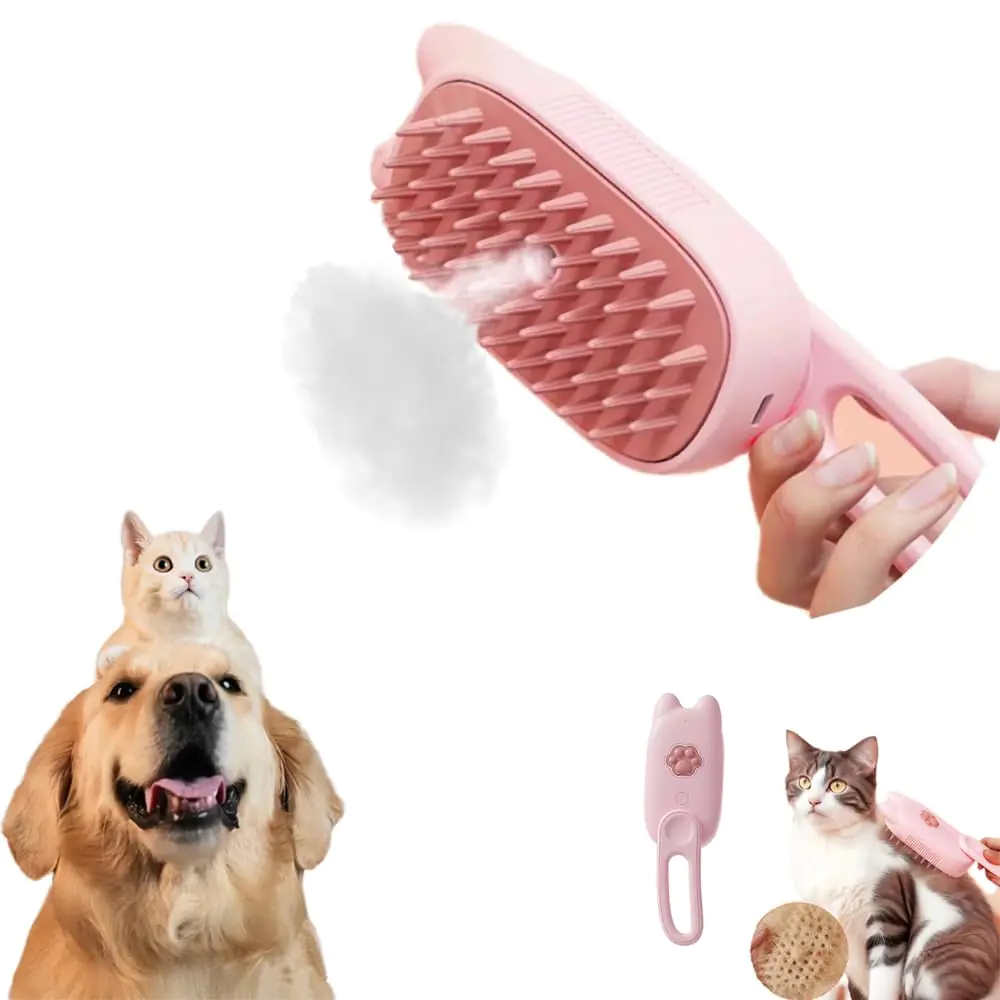
Short cat grooming sessions work best when they end while the cat is still relaxed. You do not have to brush the whole body in one sitting. For a cat that accepts only a few passes, cover one easy area today and return to another area later. A soft cat brush or glove may help gather loose hair, but the cat's response is the measure of whether the session is working. A silicone brush option (paid link to Amazon) is one texture to compare only if the cat accepts it.
- Begin with one familiar area and count a few strokes rather than setting a long timer.
- Pause between areas; continue only if the cat stays loose, accepts touch, and can step away.
- Use a small towel or mat for footing, not as a wrap that traps the cat.
- Stop on the first clear discomfort signal and make the next session shorter or change the location.
Keep the environment predictable

Pick a quiet spot with a non-slip surface and an easy exit. Put the tool, treats, and a towel within reach before starting, so you do not leave the cat waiting while you fetch supplies. Avoid placing grooming beside loud appliances, food bowls, or a narrow doorway where the cat may feel cornered.
Related: Read the full cat coat-care guide for the complete routine. See the optional comparison below and check the current listing details before choosing.
Optional product example to compare
This silicone brush is an optional texture to compare for a short, calm session. Let the cat approach, use a light touch, and stop at the first discomfort signal. It is not a detangling tool or a fit for every cat. This product has not been independently tested by Raspaw.
As an Amazon Associate I earn from qualifying purchases.