Raspaw Pet Guide · Cat Care
Quick answer: A long-haired cat may benefit from a long-toothed metal comb that can inspect the coat in small sections. This guide focuses on comb long haired cat with gentle, coat-aware steps.
Use a comb to inspect, not to force out a mat
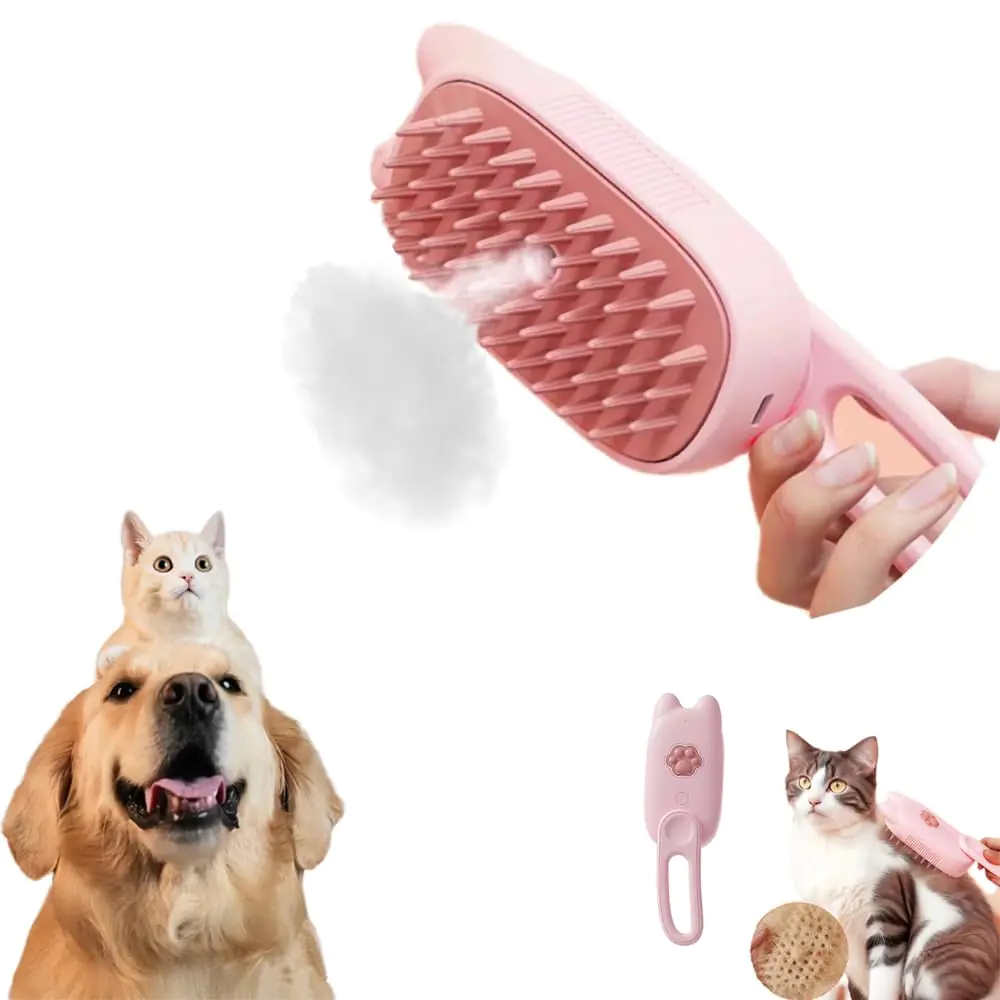
A long-haired cat may benefit from a long-toothed metal comb that can inspect the coat in small sections. A comb should move through loose fur with light pressure. A rounded-tip metal comb (paid link to Amazon) is one size option to compare for inspecting small sections; it is not a tool for forcing out mats. It is a checking tool: if it catches at a tight knot, repeated pulling can hurt and make the cat wary of future sessions.
- Let the cat sniff the comb and reward calm interest before touching the coat.
- Comb a palm-sized section with short strokes, then stop and check the cat's posture.
- Use fingers to separate only loose surface tangles; do not tug or dig into skin.
- Record areas that repeatedly mat and ask a groomer or veterinarian for a prevention plan.
Make grooming low-pressure and easy to stop

Choose a calm place and begin where the cat likes being touched. Lift a little hair and look at the skin rather than combing blindly over the surface. A soft cat brush can collect loose fur first, while a comb can reveal small tangles behind ears or along the back legs.
Related: Read the full cat coat-care guide for the complete routine. See the optional comparison below and check the current listing details before choosing.
Optional product example to compare
This rounded-tip metal comb is an optional inspection example for loose fur. Use short strokes with light pressure and stop at resistance. Do not pull at tight mats; ask a groomer or veterinarian when the coat or skin needs professional attention. This product has not been independently tested by Raspaw.
As an Amazon Associate I earn from qualifying purchases.